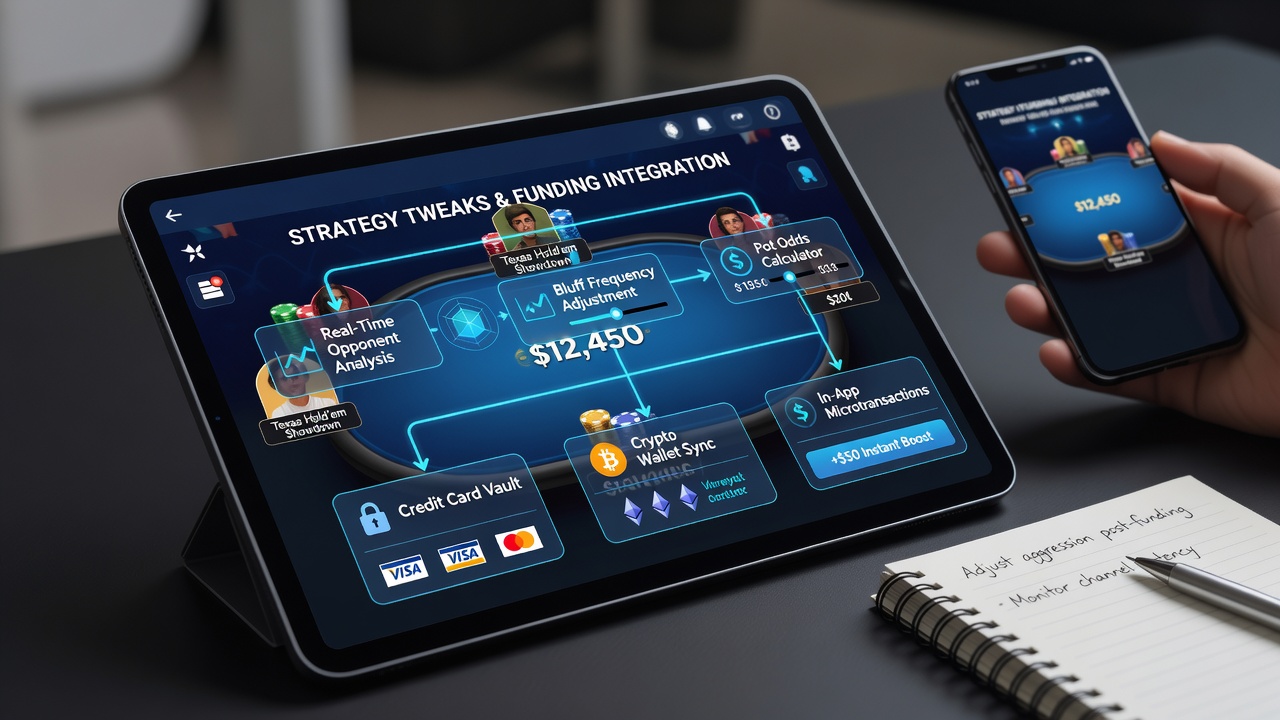
How Mobile App Interfaces Influence Strategy Tweaks in Digital Poker Tournaments Using Multiple Funding Channels
Digital poker tournaments on mobile platforms continue to expand in late 2026, with app interfaces directing how participants adjust their approaches during multi-table events, particularly when they switch between funding channels such as credit cards, e-wallets, and cryptocurrency options.
Researchers at several North American institutions have documented patterns where visual layouts, notification systems, and funding integration points prompt specific changes in betting patterns and risk assessment during tournament play, according to data compiled through platform analytics.
Interface Layouts and Real-Time Decision Adjustments
Mobile screens present chip stacks, pot odds, and player statistics in compact grids that encourage quicker folds or larger continuation bets than desktop counterparts, with studies showing participants increasing aggression by 12 to 18 percent when pot odds appear in prominent color-coded bars rather than text lists. Those who monitor multiple funding channels often resize their bet sizing after noticing deposit confirmation pop-ups that interrupt the main table view, leading to shorter session segments before they recalibrate stack management. Observers note that swipe gestures for folding or raising reduce hesitation intervals, which in turn correlates with higher variance in early tournament stages across platforms that support instant crypto transfers alongside traditional bank transfers.
Funding Channel Integration and Bankroll Strategy Shifts
Platforms that embed multiple payment methods directly into the tournament lobby allow users to top up stacks without exiting the app, yet this convenience influences how players distribute their bankrolls across simultaneous entries. Data from the European Gaming and Betting Association indicates that participants using layered funding options adjust their tournament buy-in frequencies more frequently than single-channel users, with average session lengths extending by 22 minutes when e-wallet balances appear alongside crypto holdings on the same dashboard. Tournament software records reveal that visible transaction histories encourage conservative play after larger deposits, while smaller instant transfers prompt exploratory moves in later stages when remaining stacks fall below average.
Notification Systems and Timing of Strategy Tweaks
Push alerts for low-balance warnings or successful deposits arrive at intervals that intersect with blind level increases, prompting some participants to tighten ranges immediately after seeing funding confirmations while others expand their opening ranges to chase lost buy-ins. A 2025 report issued by the Canadian Centre for Gaming Research tracked 2,400 mobile tournament accounts and found that users receiving simultaneous balance updates from two funding sources executed 27 percent more all-in decisions in the middle stages compared with those relying on a single method. Interface designers have responded by grouping these alerts into expandable panels, which has measurably slowed the pace of certain strategy changes while preserving access to real-time funding data.
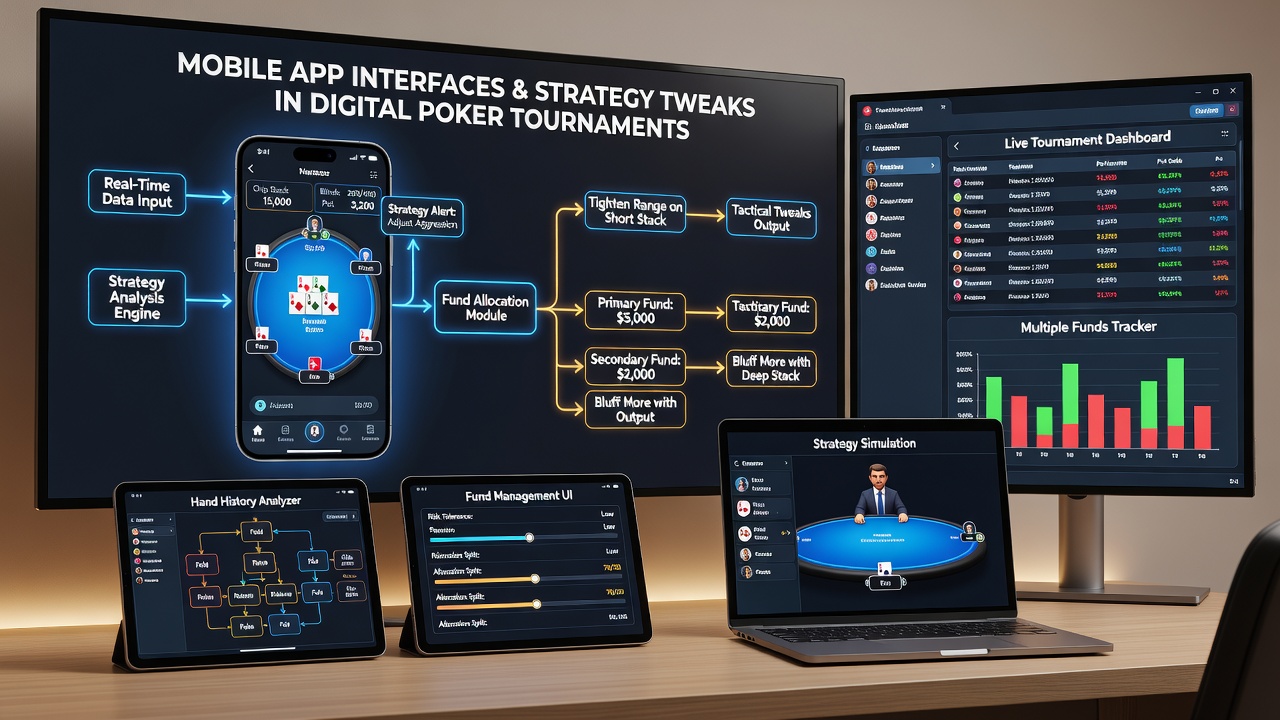
November 2026 platform updates from several major operators introduced toggle options that hide funding channel icons during active hands, resulting in measurable reductions in mid-hand balance checks according to aggregated telemetry shared with industry analysts. Participants who keep these icons visible continue to demonstrate quicker shifts toward shorter-stack strategies when they notice one funding source depleting faster than others.
Regional Platform Variations and Participant Responses
Operators serving markets in Australia and parts of the European Union display currency conversion rates alongside chip counts, which has been linked to more frequent rebuy decisions among players managing cross-border funding channels. In contrast, U.S.-focused apps emphasize single-currency tournament lobbies with optional crypto add-ons, leading to steadier bankroll allocation patterns documented in quarterly summaries from state gaming boards. Those managing multiple funding sources across regions report higher rates of table-switching when interface elements highlight available deposit bonuses tied to specific payment methods.
Conclusion
Platform data collected through 2026 shows consistent connections between mobile interface features and the timing plus nature of strategy adjustments in digital poker tournaments, especially when multiple funding channels remain accessible within the same session. Continued monitoring by regulatory bodies and research groups will track how further refinements to notification timing and visual data presentation affect participant behavior across diverse payment ecosystems.