How Regional Cultural Events Influence Participation Trends in Mobile-Based Table Game Applications
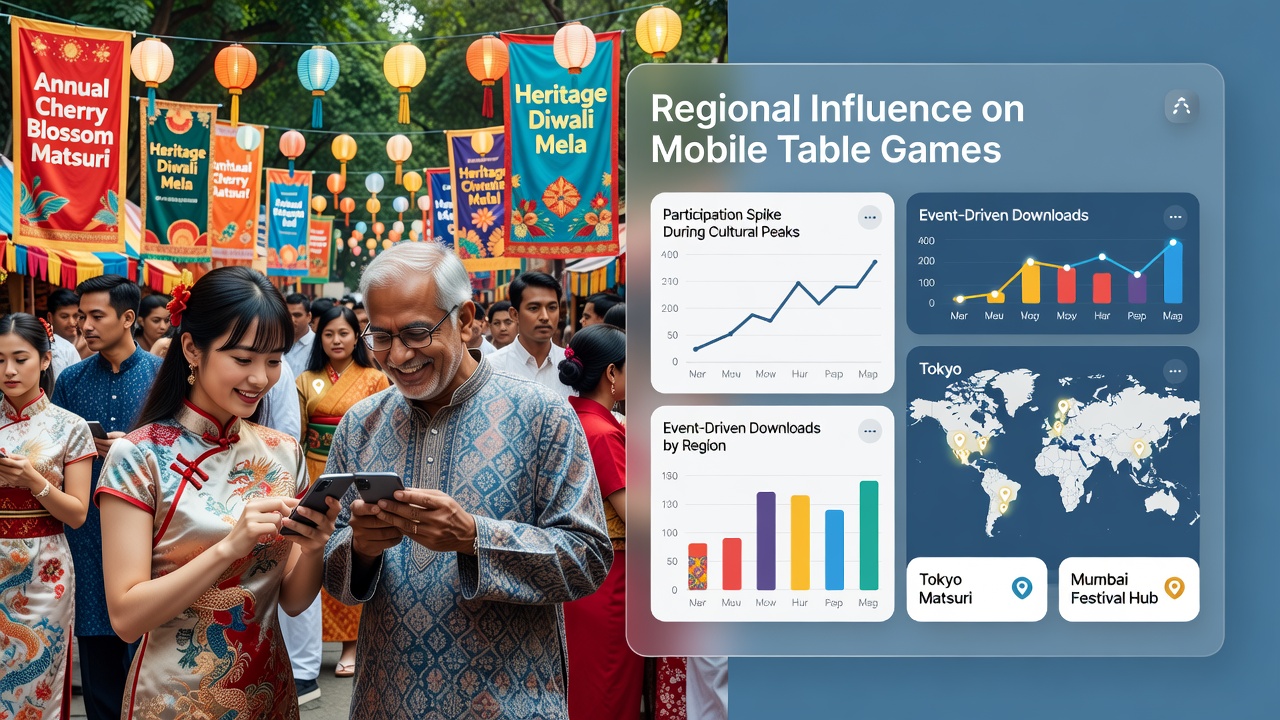
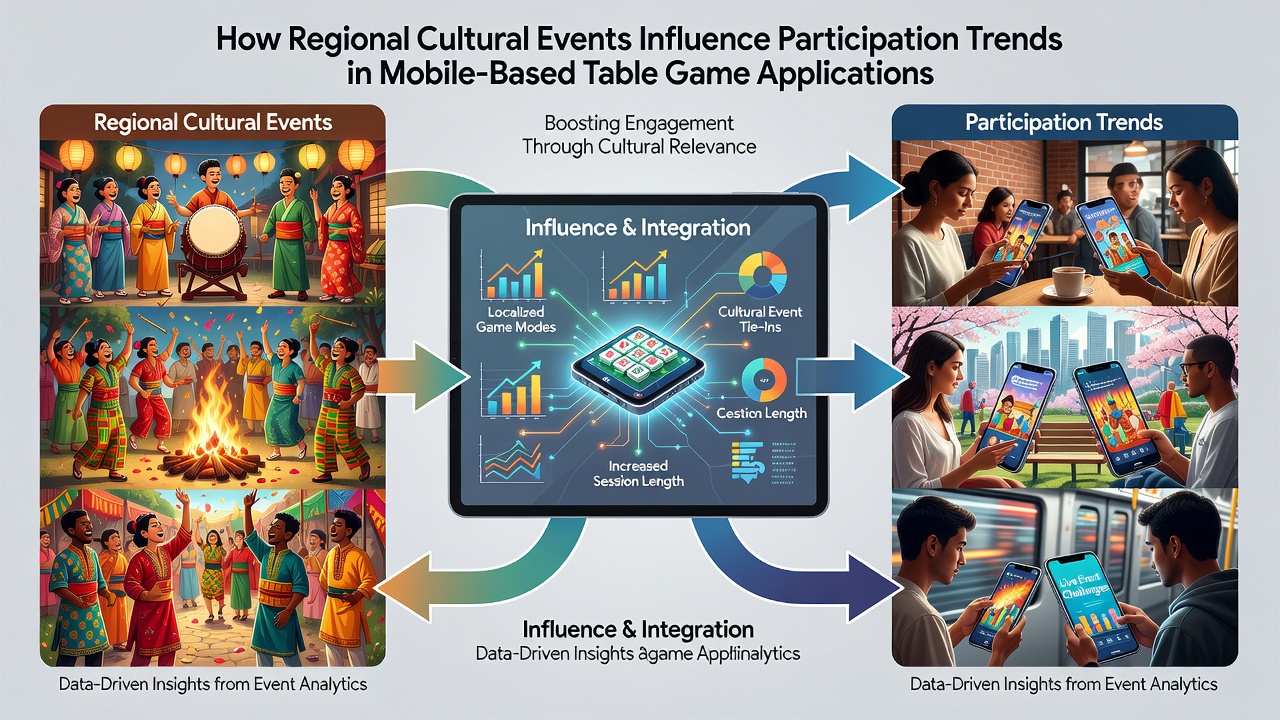
Cultural events tied to specific regions create measurable shifts in how users interact with mobile table game applications, where participation in poker, blackjack, and similar formats rises during local festivals, holidays, and community celebrations. Data collected across multiple markets shows that these periods often align with changes in session length, player numbers, and preferred game variants as people incorporate gaming into their event routines.
Festival Timing and Regional Engagement Patterns
Observers note that events such as Carnival in Brazil and Lunar New Year celebrations in East Asia coincide with documented increases in mobile table game activity. One analysis of app usage logs from 2024 through 2026 revealed spikes of 18 to 27 percent in active accounts during these windows, particularly in card-based titles that mirror social traditions common at those gatherings. In North America, similar patterns appear around Thanksgiving and regional harvest festivals, where family-oriented downtime leads to higher download rates for group-friendly table game modes.
Researchers tracking user behavior in October 2026 observed that Halloween-related promotions in several Canadian provinces and parts of the United States triggered shorter but more frequent sessions, with many players favoring quick blackjack rounds over extended poker tournaments. These trends reflect how local customs shape digital habits without altering core game mechanics.
Data Insights Across Markets
Figures from platform operators indicate that payment method preferences also shift during cultural events. Users in regions celebrating Diwali or Eid tend to move toward digital wallet options already popular in those communities, resulting in faster transaction completion rates compared with non-festival periods. A report issued by iGaming Ontario documented that table game participation in Ontario rose steadily during multicultural festivals held in the Greater Toronto Area, with blackjack variants seeing the largest share of new sessions.
Academic studies further support these observations. Work published through the University of Nevada's gaming research center examined six months of anonymized mobile data and found that cultural event calendars predict engagement better than standard seasonal models alone. The study highlighted how community gatherings in Australia during Melbourne Cup week produced parallel increases in virtual baccarat and poker play among mobile users.
Verification Protocols and Event-Driven Traffic
Jurisdictions with streamlined verification processes experience quicker onboarding during peak cultural periods. Data from multiple operators shows that regions maintaining consistent identity checks year-round avoid bottlenecks when event-related traffic arrives. In contrast, areas introducing temporary adjustments see temporary dips in completion rates before systems stabilize. These patterns hold across both established markets and emerging ones where mobile table games continue to expand.
Cross-Regional Comparisons
Comparative reviews reveal that European markets tied to Oktoberfest and Christmas markets display different engagement rhythms than Asian markets during harvest festivals. European users often extend session times on live dealer formats, whereas Asian markets record higher volumes of short, social-style poker hands. Industry reports compiled by the Canadian Gaming Association note that these variations persist even when the same applications operate across borders, underscoring the role of local cultural calendars.
Additional findings from Singapore's gaming regulatory framework demonstrate that table game applications see sustained interest through the entire duration of major public holidays rather than isolated spikes. Retention metrics remain elevated for several weeks afterward when events overlap with school breaks or extended public closures.
Conclusion
Regional cultural events continue to shape participation trends in mobile table game applications through predictable yet distinct patterns tied to local traditions, payment habits, and session preferences. Platform operators and researchers track these cycles to align features and promotions with documented user behavior across diverse geographic markets.